
The Festival of the Wolf in Fafião: Celebrating Coexistence in Gerês
In the remote village of Fafião, nestled in the rugged Gerês mountains, locals gather once a year for a celebration known as the Festival Aldeia de Lobos — the Festival of the Wolf. On the surface, it’s a vibrant event with drums, dancing, and village feasts. But at its core, the festival is much more than a celebration; it is a remembrance of an ancient balance between humans and the wild.
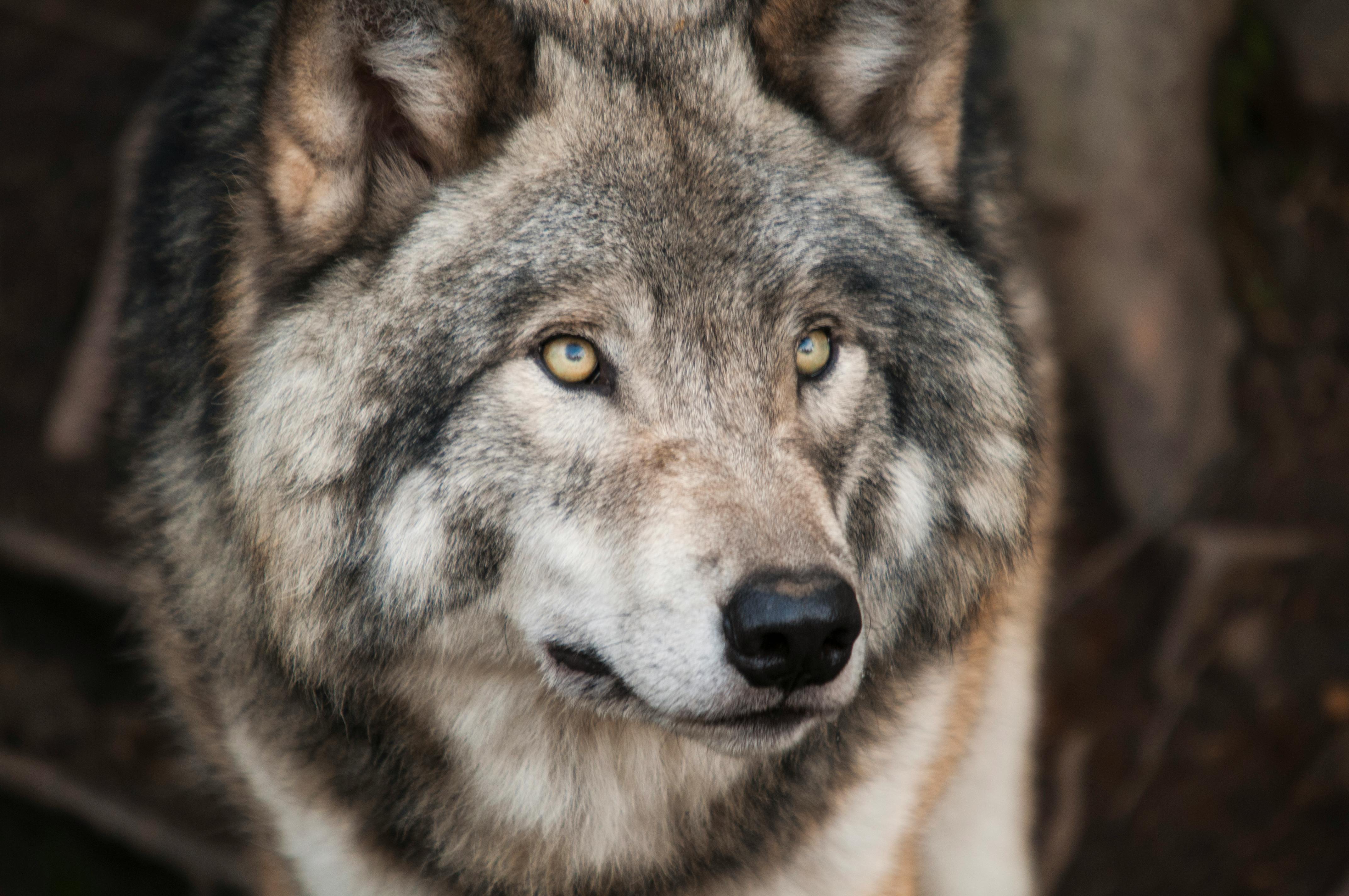
Today, the festival has taken on a new meaning — one of protection rather than pursuit. With the Parque Nacional da Peneda-Gerês being a critical refuge for endangered Iberian wolves, the people of Fafião now stand as guardians of a creature they once hunted. The festival honors this shift — blending the stories of the past with the conservation values of the present. What was once a tale of fear and survival has become a symbol of respect and coexistence.


Wolf Traps of Northern Portugal: History, Architecture, and Coexistence
Scattered across northern Portugal and parts of Spain, ancient stone structures known as "fojos do lobo" (wolf traps) tell a shared story of a time when wolves and humans competed for survival. Built with cunning and stone, these traps typically consisted of long, V-shaped walls that funneled wolves toward a central pit — a pit often disguised with branches and soil.
These traps were not only feats of rural engineering but also cultural expressions of the communities who built them. They required whole villages to work together — laying stone after stone, driven by the hope of protecting their flocks from hungry predators. The fojos reflect an era when living alongside wolves was a constant negotiation between fear and necessity.
Though many traps have now crumbled with time, they remain visible throughout the landscape — not as tools of destruction, but as monuments to the delicate, often uneasy relationship between humans and the natural world.
The Legend of Fafilao: The Spirit of the Uncatchable Wolf
Before conservation, before folklore festivals, there was the legend of Fafilao — a wolf so clever, so untouchable, that some say he wasn’t even real. In the stories passed down through generations, Fafilao roamed the mountains with a single yellow eye, leaving behind no tracks, no sound, only mystery.
He was said to outwit poisoned meat, evade hunting dogs, and vanish into the mist like a ghost. When the villagers of Fafião finally built their elaborate fojo and drove a pack of wolves toward it, Fafilao was the only one who didn’t fall. He stopped at the edge of the pit, looked back with that piercing eye — and simply walked away.
Whether he was a real wolf or a spirit born of myth, Fafilao became a symbol: of the wild, of resistance, of nature’s intelligence. His story lives on in local memory, in the stones of the trap, and in the flames that villagers still light — not in fear, but in respect.
After all, as they say in Gerês: “It’s his mountain too.”

Experience the Festival of the Wolf in Portugal
If you’re visiting Peneda-Gerês National Park, don’t miss the chance to witness the Festival of the Wolf in Fafião. It’s a celebration of heritage, community, and the harmony between people and the natural world.
