
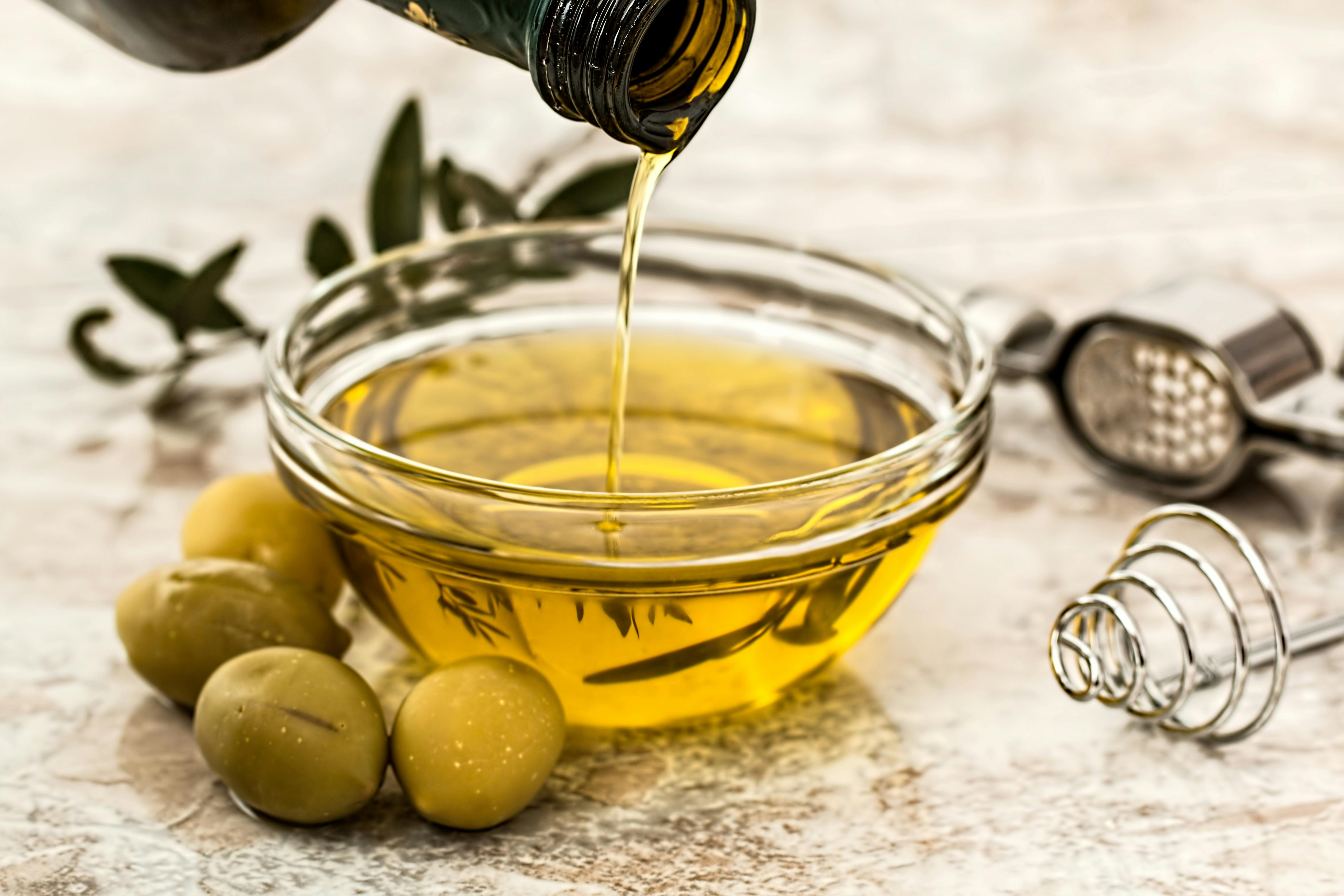
The Significance and Background of Olive Oil
Olive oil has been an important part of human life for thousands of years. From ancient civilizations to modern kitchens, it continues to symbolize health, tradition, and natural beauty. Today, it is used all over the world, especially in Mediterranean countries like Portugal, Spain, Italy, and Greece. This article explores where olive oil comes from, how it’s made, its health benefits, and its role in modern culture.
Historical Beginnings of Olive Oil
Olive oil originated in the Mediterranean region more than 6,000 years ago. Early societies in places like Crete, Greece, and Egypt learned how to crush olives to extract the valuable oil. At first, olive oil wasn’t mainly used for cooking. People used it for lamp fuel, medicine, skincare, and even for preparing bodies for religious ceremonies. It quickly became a precious product traded across long distances.
For ancient cultures, olive oil represented peace, purity, and strength. The Greeks crowned Olympic winners with olive wreaths, and in religious rituals, oil was used for blessings and healing. Even today, the olive tree symbolizes life and resilience. Many olive trees live for hundreds of years, which is why they were deeply respected by ancient societies.
The Process of Making Olive Oil
In the past, people crushed olives using stone mills. The olive paste was then pressed with heavy stones or woven mats to extract the oil. This slow process produced a pure and natural oil. Some traditional farms still use these methods to create small batches of high-quality olive oil.
Today, most producers use modern machines that work faster and more efficiently. The olives are washed, crushed, and then spun in a centrifuge to separate the oil from water and solids. This method keeps the oil fresh and preserves its flavor and nutrients. Thanks to modern techniques, farmers can create different types of olive oil depending on the harvest time and olive variety.


Types of Olive Oil – Extra Virgin and More
Extra virgin olive oil is the highest-quality oil. It comes from fresh, cold-extracted olives, without chemicals or heat. It has a strong, rich flavor—sometimes grassy, fruity, or slightly bitter—and it’s full of antioxidants. This is the type most recommended for health benefits.
Other types include virgin olive oil, refined olive oil, and pure olive oil. These are often blended or processed to remove strong flavors. They are usually cheaper and commonly used for everyday cooking or frying. While still healthy, they don’t contain as many nutrients as extra virgin oil.
Health Benefits of Olive Oil
Olive oil is packed with healthy fats, especially monounsaturated fats, which support heart health. It also contains vitamin E and antioxidants that protect the body’s cells. For this reason, olive oil is considered one of the healthiest oils you can use.
Studies show that olive oil may reduce inflammation, lower cholesterol, and support brain health. It may also help decrease the risk of heart disease, which is a major global health concern. This is why olive oil is a key part of the Mediterranean diet, known for promoting long life and overall wellness.
Olive Oil in Contemporary Cooking and Beauty & Wellness
Today, olive oil is used in countless dishes – salads, pasta, baked meals, grilled foods, and more. Extra virgin olive oil adds rich flavor, while lighter oils are great for frying or sautéing. In many cultures, it’s a kitchen essential.
Olive oil also plays a major role in natural beauty and wellness. It moisturizes the skin, strengthens hair, and is often used in soaps, creams, and spa treatments. Its simple, natural qualities make it a favorite ingredient in clean beauty products.

Olive Oil in Portugal – local Traditions
Portugal produces some of the world’s finest olive oils. Regions like Alentejo, Trás-os-Montes, and Beira Interior are famous for their olive groves. Many Portuguese families still follow old traditions – handpicking olives or producing oil on small farms. Olive oil is a central part of Portuguese food, from codfish to soups and simple bread dips.
Portuguese olive oil is known for its rich, balanced flavor. The country’s climate and soil help create olives with unique taste profiles. Many Portuguese oils win international awards for quality and purity, making them highly valued worldwide.
The Future of Olive Oil
Because climate change affects agriculture, olive growers are turning to more sustainable farming practices. These include using less water, protecting soil, and choosing local olive varieties that can survive harsher conditions. Sustainable methods ensure that olive oil production can continue for future generations.
New trends include infused olive oils, organic farming, and modern technology that improves harvesting and freshness. More and more consumers want to know where their oil comes from, pushing the industry toward greater transparency and higher standards.
Olive oil has shaped history, cuisine, and culture for thousands of years. From ancient rituals to modern cooking and beauty, it remains one of the world’s most valuable natural resources. With its rich flavor, health benefits, and cultural importance, olive oil will continue to be appreciated for generations to come.
