
The Evolution of Kayaking: A Voyage Through Time
Kayaking, now known as a popular outdoor activity and sport, has a long and fascinating history. What began as a tool for survival in the Arctic has grown into a worldwide pastime enjoyed from Alaska to Portugal. It’s a story of human creativity, cultural diversity, and our deep connection with water.
Initial Roots of the Kayak – hunting and survival
The first kayaks were created by Indigenous Arctic peoples – mainly the Inuit, Yup’ik, and Aleut communities. Living in one of the harshest environments on Earth, they designed a light, agile boat perfectly suited for cold, icy waters. Each kayak was custom-made for its owner’s size, weight, and paddling style, becoming almost an extension of their body.
Early kayaks were built from natural materials available in the Arctic. The frame was made from driftwood or whale bone and covered with seal or caribou hides sewn tightly together. These skins were coated with animal fat to make them waterproof. The result? A lightweight (often under 15 kg), durable vessel strong enough for hunting in unpredictable conditions.
For Arctic hunters, the kayak was essential. It allowed them to silently approach seals, walruses, and whales while navigating ice floes and harsh weather. Its slim shape, stability, and easy maneuvering made it a life-saving tool.


Kayaks Arrive in Europe
European explorers first encountered kayaks during Arctic expeditions in the 16th and 17th centuries. Impressed by their efficiency and durability, they brought examples back to Europe. This sparked curiosity among adventurers and naturalists, who began experimenting with the design.
European builders adapted kayaks using local materials. Wooden frames and fabric coverings replaced bones and animal hides, making the boats easier to produce and more widely available. These changes opened the door to recreational kayaking and eventually to organized sport.
Kayaking in the 19th and 20th Century
By the mid-19th century, kayaking started to gain popularity as both a leisure activity and a sport. Clubs began to appear across Germany, the UK, and other parts of Europe. Enthusiasts explored rivers, lakes, and coastlines, expanding the kayak’s use far beyond its Arctic origins.
One major breakthrough was the invention of the folding kayak in early 20th-century Germany. With a collapsible frame and flexible skin, it became popular among travelers and explorers. These portable kayaks could easily be taken on trains and later on airplanes, making the sport accessible worldwide.
Kayaking made its Olympic debut in 1936 at the Berlin Games. This marked the transformation of the kayak from a traditional hunting craft to an internationally recognized competitive sport. Since then, sprint and slalom kayaking have become key Olympic events.

Modern Kayaking
Today, recreational kayaking is one of the most popular outdoor activities around the world. People of all ages enjoy calm paddling on lakes, rivers, and coastlines. The sport is easy to learn, affordable, and perfect for beginners and families.
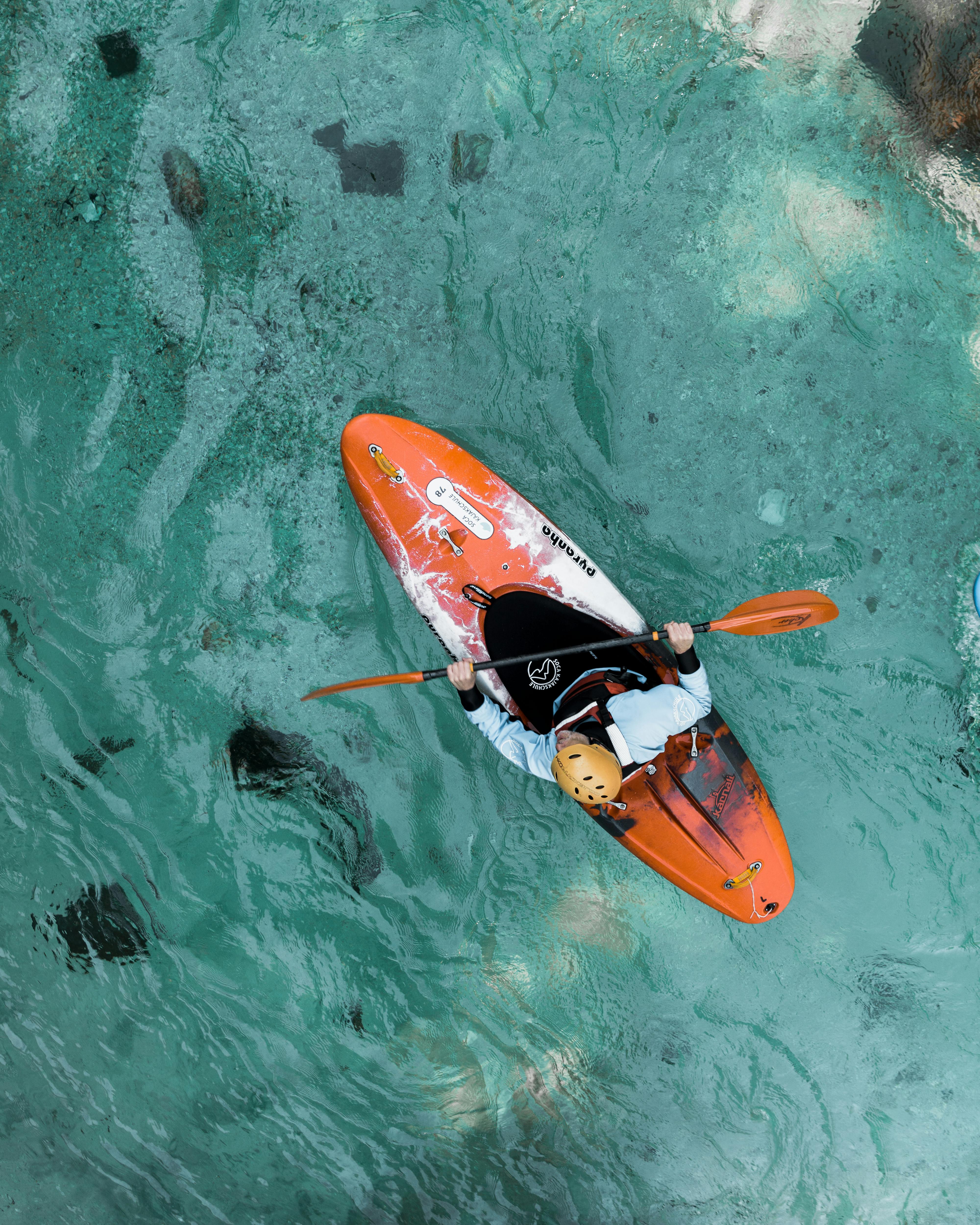
For thrill-seekers, whitewater kayaking offers adrenaline-filled river runs, while sea kayaking attracts adventurers exploring long coastal routes. The variety of styles shows just how adaptable kayaks have become.
Modern kayaks are made from durable materials like fiberglass, rotomolded plastic, and carbon fiber, making them stronger, lighter, and faster. Waterproof compartments, ergonomic seats, and GPS systems make today’s kayaks more comfortable and practical than ever.
Kayaking around the World
Different regions have developed their own unique kayaking traditions – from river touring in Japan to sea kayaking in New Zealand and wilderness expeditions in Canada. Each reflects the local landscape and culture.
Kayaking has also become an important part of eco-tourism. People now paddle through fjords, rainforests, caves, and coral lagoons, discovering remote places while respecting the environment.
Kayaking in Portugal Today
Northern Portugal offers incredible kayaking experiences. From the clear rivers and rocky landscapes of Peneda-Gerês National Park to the terraced vineyards and golden cliffs of the Douro Valley, this region is perfect for both beginners and adventure lovers. Our guided tours let you explore both areas in a safe, unforgettable way.
