
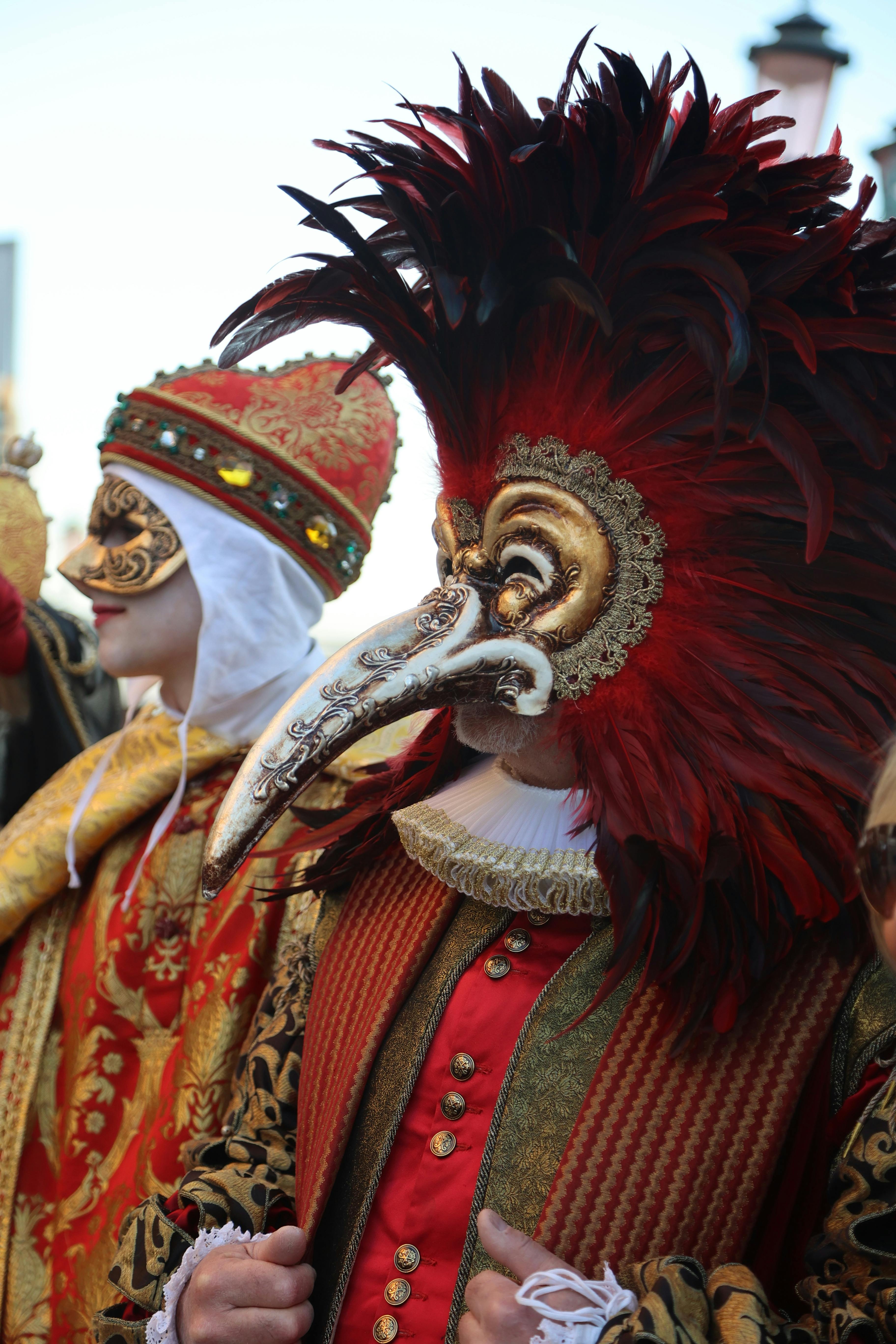
Carnaval in Portugal: more than just costumes & parades
Portugal's Carnaval is one of those events that is larger, richer, and more colorful than most people think. While many think of it as just parades and costumes, it’s actually a celebration of history, music, community, and centuries-old traditions. Carnaval provides a one-of-a-kind peek into Portuguese culture, from the vibrant streets of Lisbon to the peaceful countryside of Northern Portugal.
What makes Portuguese Carnaval special
What sets Portugal’s Carnaval apart is its blend of celebration, history, and local identity. Every region has its own twist – some focus on extravagant floats and street parades, while others highlight music, dance, and theatrical performances. It’s a time when communities come together to celebrate creativity, humor, and shared traditions.
The history of Portugal’s Carnaval
Carnaval in Portugal dates back to medieval times, originally linked to religious rituals and the days before Lent. Over centuries, it evolved into a festive expression of local culture, combining Christian traditions with folk customs, music, and masks. Today, each region's festivities are a blend of historical influence and current celebration, making them unique.


Beyond costumes and parades: music, dance, and rituals
While the costumes are eye-catching, there’s much more to see and experience. Portuguese Carnaval is full of:
- Traditional music and street performances
- Local dances that have been passed down for generations
- Rituals, symbolic gestures, and community storytelling
These elements give Carnaval a richer cultural meaning, demonstrating how communities express their identity and past via celebration.
Carnaval in Northern Portugal: small town traditions
In Northern Portugal, Carnaval often has a different, more intimate vibe compared to the big city parades. Small towns have their own traditions: masked dances, humorous skits, and sometimes even symbolic “mock battles” or local competitions. Some of the best places to experience this include Podence, famous for its colorful “Caretos” masks; Viana do Castelo, where parades and folk music take center stage; and Lamego, known for its festive processions and traditional costumes.
It’s truly a community affair, where everyone participates, and visitors can easily feel like part of the celebration.

How visitors can participate the festivities like locals
Experiencing Carnaval in Portugal isn’t just about watching – it’s about joining in respectfully:
- Dance and sing with the locals
- Taste traditional festive foods like filhós and malassadas
- Learn a few steps from regional dances
- Observe local customs and participate with curiosity and respect
By embracing the experience rather than just observing, you’ll get the full magic of Portuguese Carnaval.
Experience the magic of Carnaval in Portugal
No matter where you go in Portugal, Carnaval is a memorable experience. From the vivid parades to the music, dancing, and local traditions, it’s amazing just to watch the streets come alive. Even better, if you join in, you become a part of the celebration – feeling the energy, the joy, and the community spirit that makes Portuguese Carnaval truly special.
